


In the mid-20th century, long before LGBTQ+ literature filled bookstore shelves or Pride parades marched down city streets, gay pulp fiction thrived in the shadows. These cheaply printed paperbacks—often adorned with sensational covers and coded titles—were more than just steamy reads. They were lifelines.
For many queer readers, pulp offered the first glimpse of desire, identity, and community on the page. Yes, the stories were sometimes campy, melodramatic, or riddled with clichés, but they dared to say: we exist. In an era of censorship and criminalization, simply seeing two men fall in love—or lust—was revolutionary.
Gay pulp fiction didn’t just titillate; it carved out cultural space where none existed. It helped preserve queer history, seeded solidarity, and opened doors for the LGBTQ+ literature we celebrate today. In short, pulp was more than pulp—it was survival, visibility, and defiance bound in paperback.
VINTAGE EPHEMERA
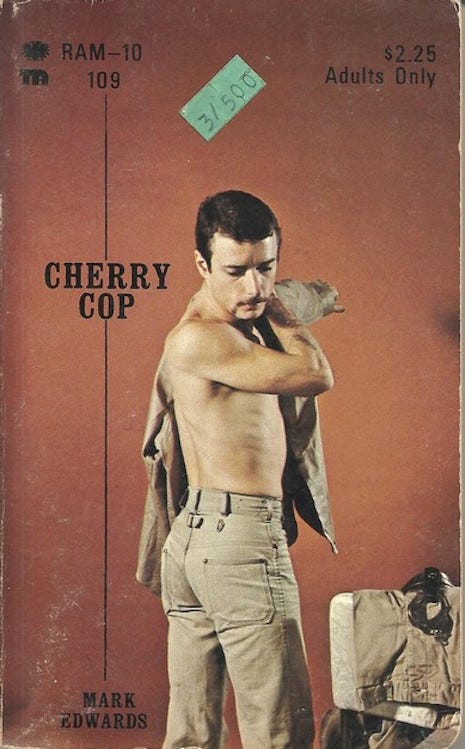
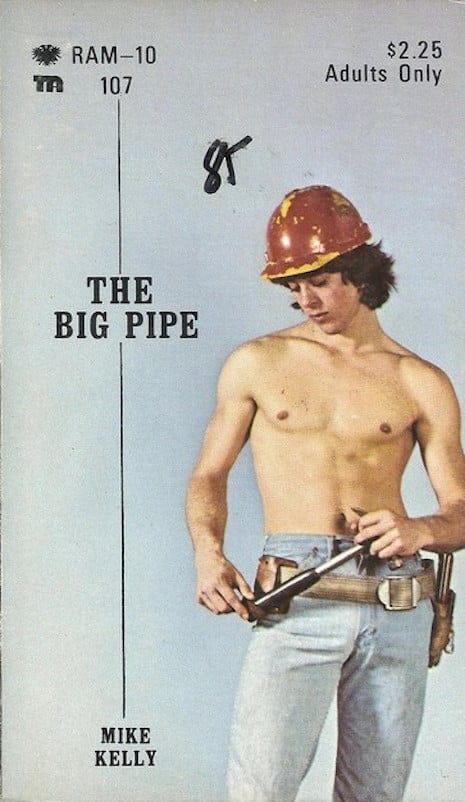
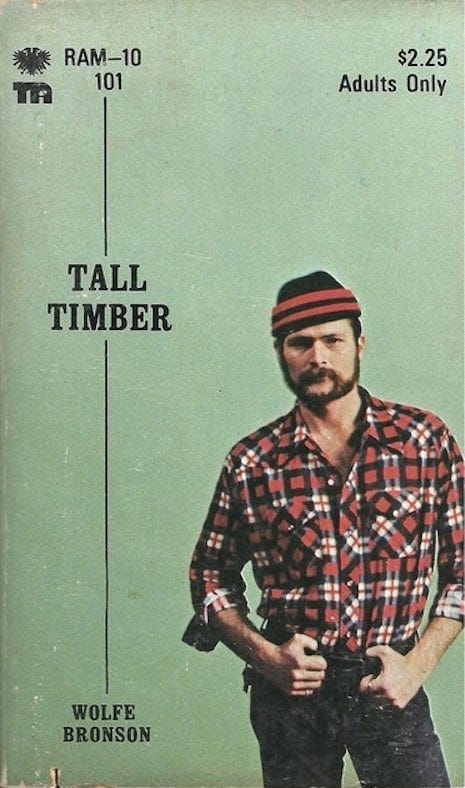
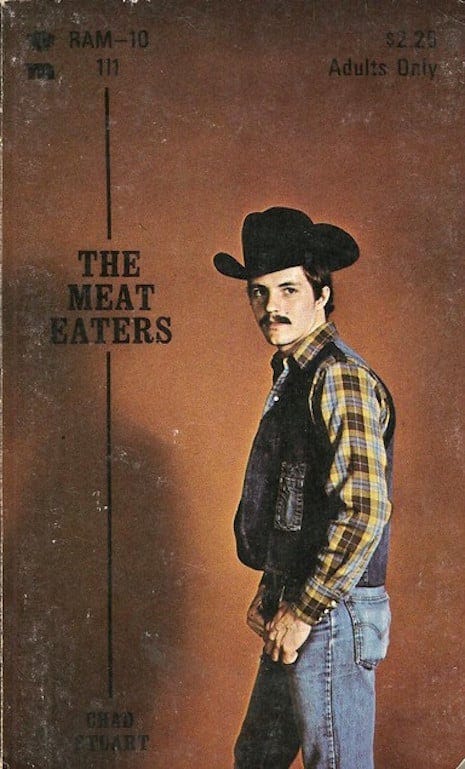
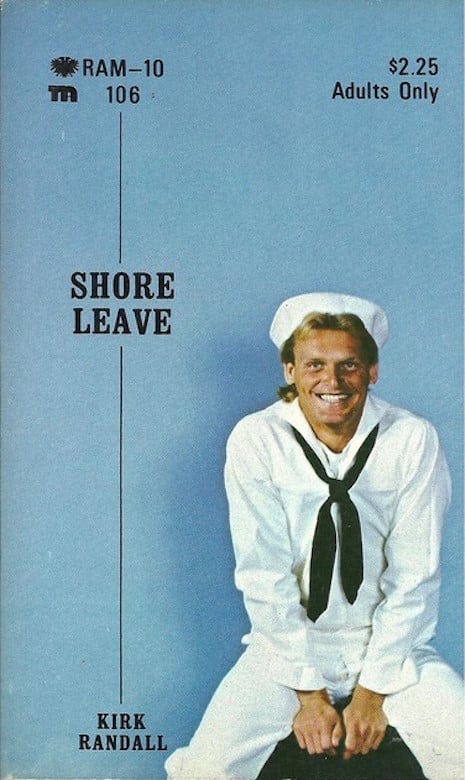
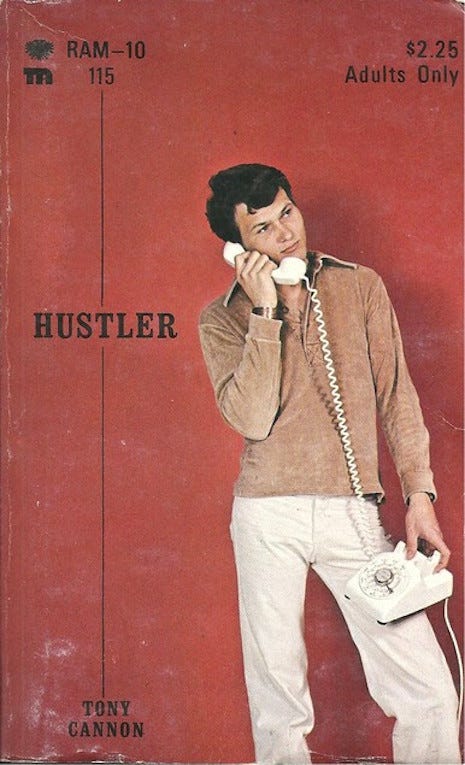
People are marketed and marketable. "This is what good mothers do." "This is what a man should be/look like." "This is what a beautiful desirable woman wears. looks like." Naked women have been draped over cars to sell them. We can be commodified, objectified or used to manipulate the public, to create and sell things, fashions, perfumes, food, anything really. This use of people is neither intrinsically good nor bad but we need to see for what it is.
more graphic nsfw would be nice. good music🔥